Herbal Infusion vs Tea: What’s the Difference and Why It Matters for Daily Hydration
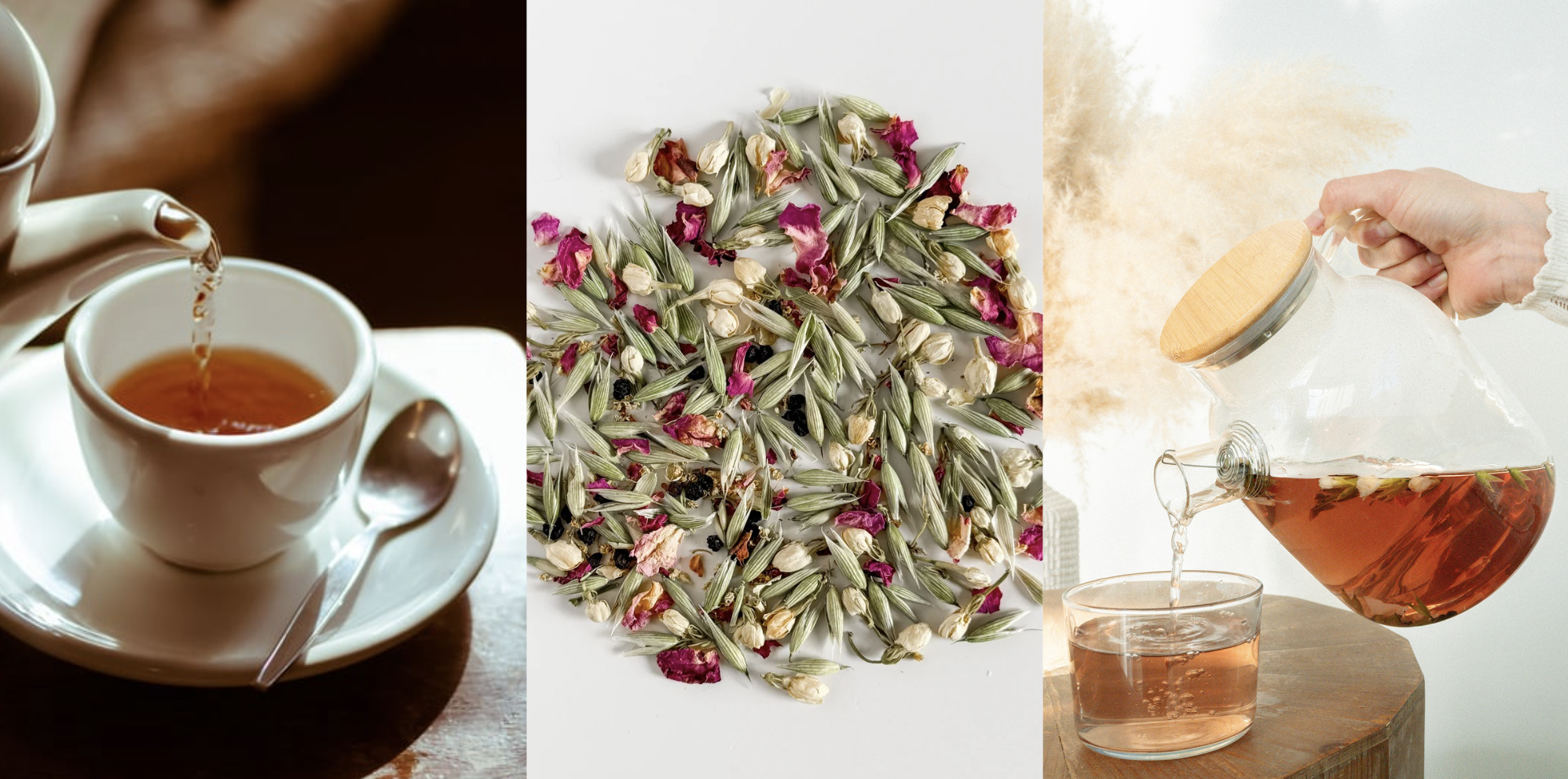
A cup of tea and a pot of herbal infusion made with the same herbs — yet completely different in depth, flavor, and nourishment.
Growing up in Colombia, there was a plant that could help with everything. When my stomach hurt, there was mint. When I couldn’t sleep, there was chamomile. When a cold was coming on, elderflowers. These herbs were simply part of daily life — plants used to support the body gently and naturally.
It wasn’t until much later — burned out, chronically dehydrated, and catching every virus my kids brought home — that I found my way back to those plants. Somewhere in that process, I started learning the difference between what most people call “herbal tea” and what herbalists refer to as a true herbal infusion.
It might sound like a small distinction, but understanding the difference completely changed the way I hydrate, the way I care for my body, and eventually the way I built my business. Because herbal infusions aren’t just something I drink occasionally anymore. They’ve become a delicious, nourishing alternative to plain water that I sip throughout the entire day.
Quick Answer: Herbal Infusion vs Tea
The main difference between an herbal infusion and tea is the amount of herbs used and how long they steep.
Herbal infusions are typically made with larger quantities of loose herbs steeped for much longer periods — often 20 minutes to overnight — to create a more nourishing, mineral-rich drink designed for all-day sipping and hydration.
Tea, on the other hand, is usually steeped briefly in smaller quantities and enjoyed one cup at a time.
What Is an Herbal Infusion?
The word “infusion” simply refers to steeping plant material in water to extract its properties. Technically, tea is an infusion too. But in herbalism, the phrase herbal infusion usually refers to a very specific style of preparation.
A true herbal infusion is typically made with:
A generous amount of herbs
A longer steep time
Larger quantities of water
Loose dried herbs rather than tea bags
The goal isn’t just flavor — it’s deeper extraction.
When herbs steep for longer periods of time, you extract more of the minerals, vitamins, aromatic compounds, and plant constituents naturally present in the herbs. This is why many herbalists prepare infusions in quart jars or full teapots instead of single cups.
This practice has been used for generations because it creates a drink that feels both deeply nourishing and genuinely enjoyable to return to throughout the day.
For many women trying to drink more water daily, herbal infusions offer something plain water often doesn’t: flavor, warmth, ritual, and a reason to keep sipping.
Herbal Infusion vs Tea: What’s Actually Different?
People often use the terms interchangeably, which makes this confusing at first. But there are a few important differences between a casual cup of herbal tea and a true herbal infusion.
| Herbal Tea | Herbal Infusion | ||
|---|---|---|---|
| Steep time | 3–5 minutes | 20 minutes to overnight | |
| Amount of herbs | Small (1 tsp per cup) | Generous (1–2 tbsp per quart or more) | |
| Volume | One cup at a time | A quart or full teapot | |
| Purpose | Flavor, light benefits | Deeper extraction, daily nourishment | |
| How it's used | Occasional, situational | Daily, all-day sipping | |
| Caffeine | Depends on plant | Naturally caffeine-free (if no tea plant) |
A chamomile tea bag steeped for a few minutes creates a lovely calming drink before bed. A true chamomile infusion — made with a larger quantity of flowers and steeped much longer — creates a richer and more deeply aromatic preparation that herbalists have traditionally used for generations.
Neither approach is wrong. They simply serve different purposes.
It’s also helpful to understand that true teas — black tea, green tea, white tea, and oolong — all come from the Camellia sinensis plant and naturally contain caffeine.
Herbal infusions are made from completely different plants: flowers, leaves, berries, roots, seeds, and herbs like peppermint, lemon balm, nettles, hibiscus, chamomile, and tulsi. Most are naturally caffeine-free, which is one reason many people turn to herbal infusions as a caffeine-free alternative to coffee, soda, or energy drinks.
Why People Drink Herbal Infusions Every Day
I didn’t start drinking herbal infusions every day because I was trying to build some perfect wellness routine. I started because I felt terrible.
I was exhausted, overstimulated, dehydrated, and constantly relying on caffeine to get through the day. When I began making a full teapot of herbal infusion every morning, something shifted. My digestion improved. That heavy afternoon crash softened. I felt calmer, more nourished, and more resilient overall.
Eventually I realized something else too: I had finally found a way to drink more fluids consistently.
This is one of the biggest reasons people search for alternatives to plain water. Many women struggle to drink more water throughout the day because plain water starts to feel repetitive, unsatisfying, or easy to forget about entirely.
Herbal infusions solve that problem beautifully.
Because they taste like something.
Because they smell inviting.
Because they feel comforting.
Because they create ritual.
A teapot filled with herbs becomes something you naturally return to again and again throughout the day.
Many women use herbal infusions as a natural water substitute because they support multiple needs at once:
Hydration without relying on sugary drinks
Calm support from herbs like chamomile and lemon balm
Digestive support from peppermint, fennel, and ginger
Gentle nourishment from mineral-rich herbs like nettles and oat straw
A slower, more grounded daily rhythm
This is what I mean when I say herbal infusions can help replace plain water. Not that you should stop drinking water entirely — but that herbal infusions can make hydration more enjoyable, sustainable, and nourishing for people who struggle to drink enough fluids consistently.
How to Prepare an Herbal Infusion at Home
Making an herbal infusion is surprisingly simple. The biggest shift is thinking in teapots and quart jars instead of single cups.
What you need
Loose dried herbs
A quart jar or large teapot
Hot filtered water
A strainer or infuser basket
Basic method
Add 1 tablespoons or more of herbs per quart of water
Pour hot water over the herbs
Cover and steep for an hour
Strain and sip throughout the day
Many people who are trying to drink more water daily find that preparing a large herbal infusion in the morning makes it easier to stay hydrated without constantly thinking about it.
The overnight infusion method
For mineral-rich herbs like nettles or oat straw, many herbalists prefer a longer overnight steep.
Simply:
add herbs to a quart jar
cover with boiling water
seal with a lid
leave overnight
strain in the morning
The result is a stronger, darker, more mineral-rich infusion.
Hot or iced
Herbal infusions can be enjoyed warm, room temperature, or iced. In warmer months, they make an incredible caffeine-free alternative to sugary drinks or flavored waters.
A strong hibiscus or peppermint infusion poured over ice is one of the easiest ways to stay hydrated and cool naturally during summer.
Herbs Commonly Used in Herbal Infusions
One of the most beautiful parts of building a daily herbal infusion practice is the variety. Different herbs support different moods, seasons, and needs.
Some of the herbs I return to most often include:
Nettles
Deeply nourishing and mineral-rich. One of my favorite herbs for women who feel depleted or run down.
Chamomile
Gentle, calming, and lightly floral. A classic evening herb for a reason.
Lemon Balm
Bright, citrusy, and beautiful for overstimulation and nervous system support.
Peppermint
Cooling, refreshing, and wonderful after meals.
Hibiscus
Tart, vibrant, and incredibly refreshing iced during warmer months.
Oat Straw
Soft, nourishing, and grounding. One of the herbs that helped me slow down and rethink the pace of my life.
Rose
Comforting, aromatic, and emotionally grounding. Rose finds its way into almost every blend I make.
Tulsi
Also called holy basil. Aromatic, uplifting, and traditionally used to support stress resilience.
Part of the joy of herbal infusions is that they shift with the seasons and with what your body needs most at different times of year.
Can Herbal Infusions Replace Water?
This is one of the most common questions people ask:
Can herbal infusions replace water for hydration?
For many people, herbal infusions can absolutely replace a large portion of daily plain water intake and make it easier to stay hydrated consistently throughout the day.
A well-made herbal infusion is still primarily water. It hydrates the body while also adding flavor, aroma, minerals, and gentle plant support.
This is especially helpful for people who:
forget to drink water
dislike plain water
feel full quickly when drinking water
want a caffeine-free hydration option
are trying to drink more water during pregnancy
are looking for a more enjoyable hydration routine
At Growing Up Rooted, this is the philosophy behind our blends: herbs aren’t only something to reach for when you’re sick. They can become part of your everyday hydration routine — a simple ritual that supports calm, nourishment, digestion, and overall wellness throughout the day.
Of course, herbal infusions aren’t medicine, and they aren’t a replacement for all water intake. If you are pregnant, nursing, taking medications, or have specific health concerns, it’s always wise to speak with your healthcare provider about which herbs are best for you.
But for many people trying to drink more water throughout the day naturally, herbal infusions become one of the most sustainable and enjoyable ways to do it.
A Gentler Way to Hydrate
At the end of the day, the difference between herbal tea and herbal infusions isn’t really about terminology. It’s about intention.
It’s the difference between:
“I should drink more water”
and
“I actually want to come back to this teapot.”
It’s about creating small rituals that help you feel more nourished, more grounded, and more connected to your body throughout the day.
You don’t need a complicated wellness routine.
You don’t need perfection.
You just need a teapot, good herbs, and a few quiet moments in the morning.
That’s where most women begin.
A simple herbal infusion.
A fuller water habit.
A gentler rhythm to the day.
And eventually, a body that feels a little less depleted.
Explore our loose-leaf herbal blends, or start with our Nourishing Blend — crafted for daily, all-day sipping and herbal hydration.
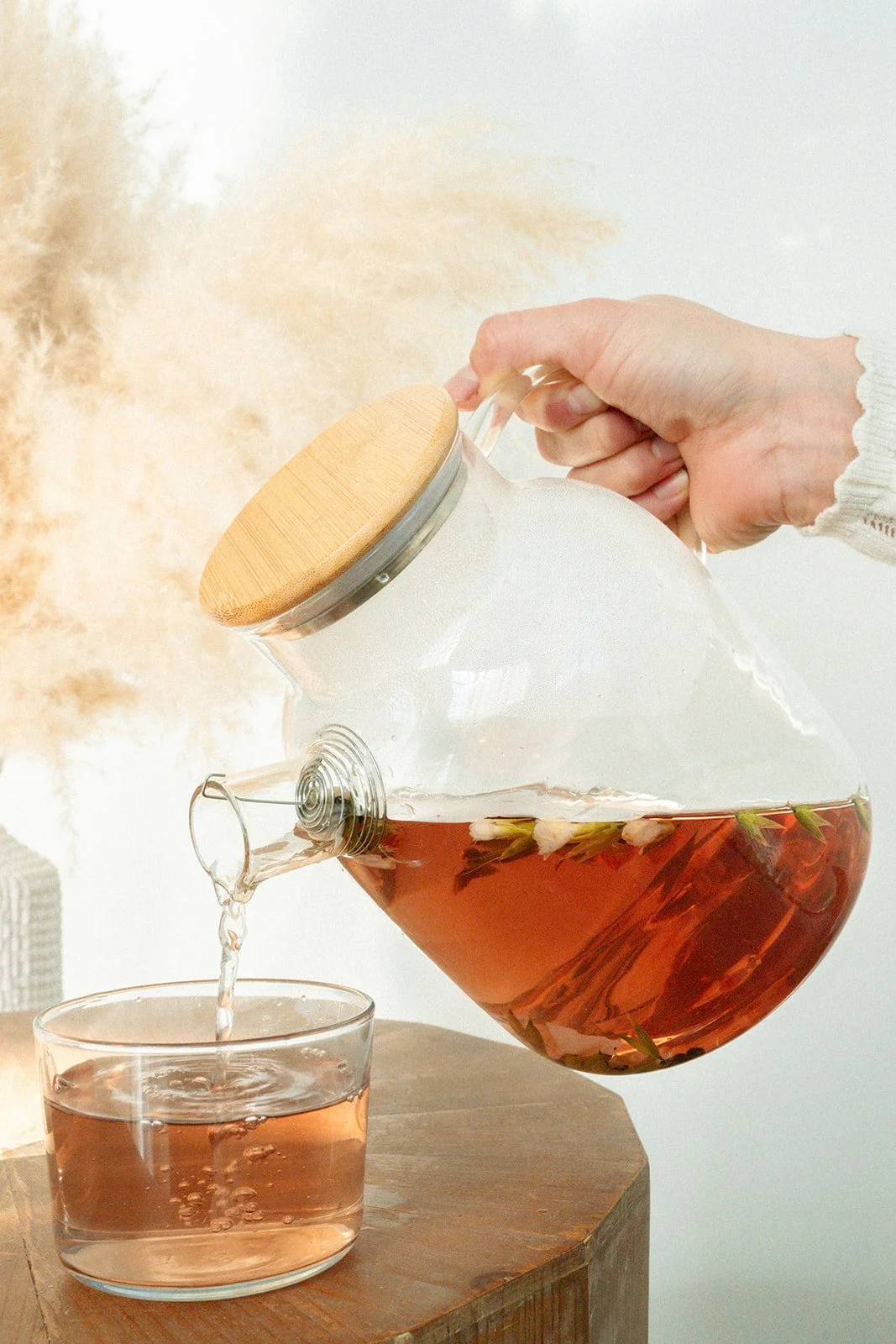
A teapot with Bloom herbal infusion. You can start your daily herbal infusion ritual with the starter kit here.
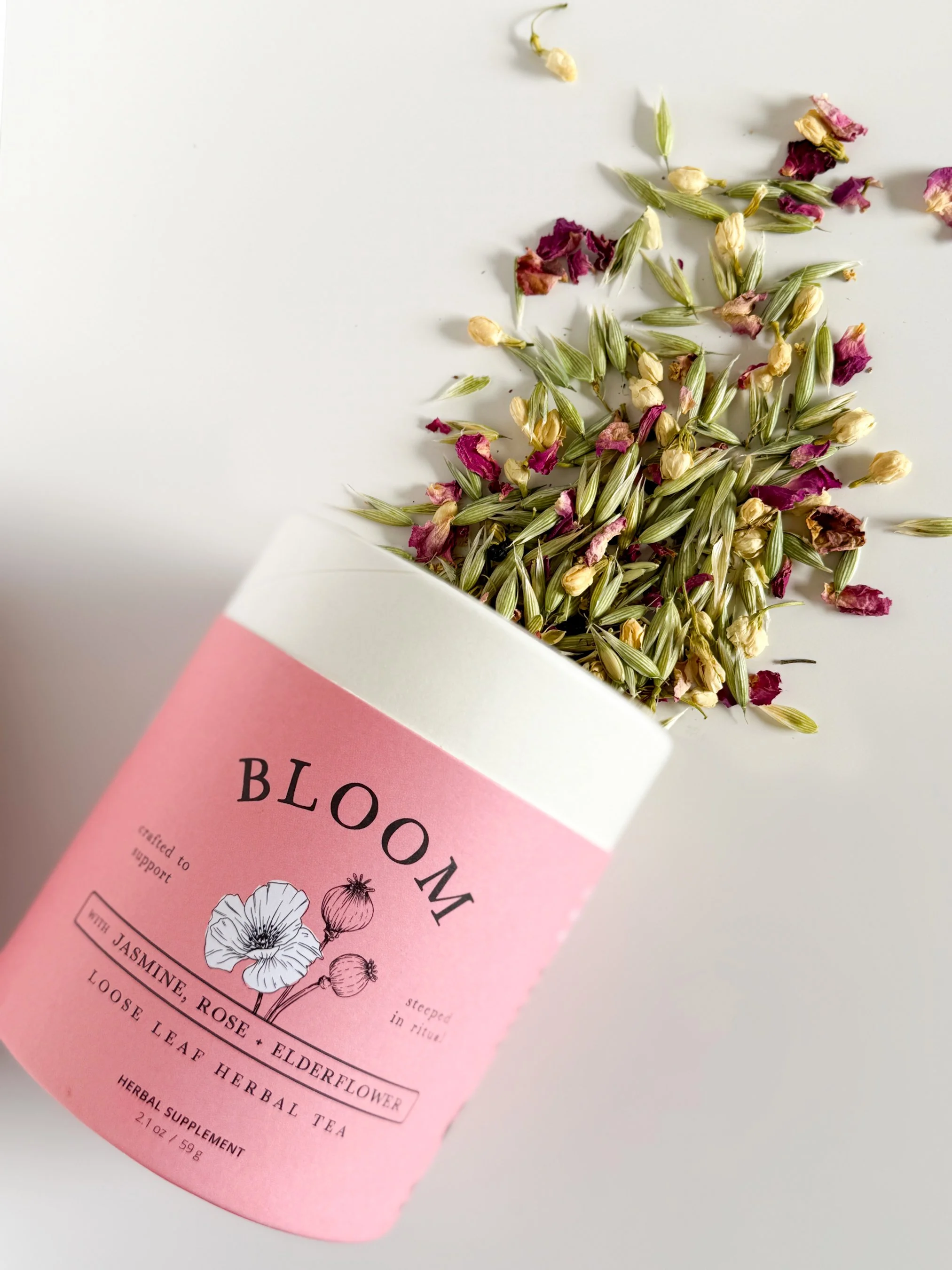
Soft, floral, and gently grounding — Bloom is a tea blend made to soften the nervous system and invite you back to yourself.